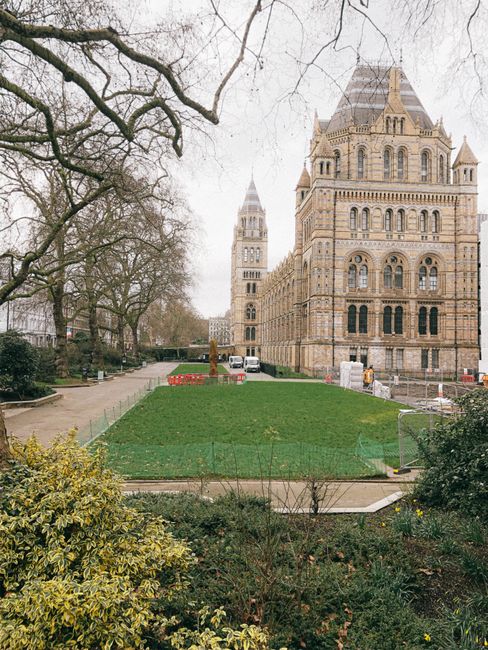
Victoria Tower Gardens Verge Clearance by Millbank Gardeners
When a verge starts to look untidy, the whole area can feel a bit less cared for, even if everything else is in good shape. That is especially true in a visible place like Victoria Tower Gardens, where the edge of a path, lawn, or roadside strip can quickly collect leaves, litter, weeds, and overgrowth. Victoria Tower Gardens verge clearance by Millbank gardeners is about restoring that neat boundary so the space feels safe, presentable, and properly maintained.
In practice, verge clearance is not just a quick sweep. It usually means removing debris, cutting back encroaching growth, lifting away built-up organic matter, and making sure the verge is left tidy rather than simply "less messy". Done well, it supports the wider setting, helps the garden read as intentional, and makes routine upkeep easier afterwards. If you are comparing options, this guide breaks down what the work involves, who it suits, what to avoid, and how to get better results without fuss.
Table of Contents
- Why Victoria Tower Gardens verge clearance by Millbank gardeners Matters
- How Victoria Tower Gardens verge clearance by Millbank gardeners Works
- Key Benefits and Practical Advantages
- Who This Is For and When It Makes Sense
- Step-by-Step Guidance
- Expert Tips for Better Results
- Common Mistakes to Avoid
- Tools, Resources and Recommendations
- Law, Compliance, Standards, or Best Practice
- Options, Methods, or Comparison Table
- Case Study or Real-World Example
- Practical Checklist
- Conclusion
- Frequently Asked Questions
Why Victoria Tower Gardens verge clearance by Millbank gardeners Matters
Verges sit in that awkward in-between space. They are not always the star of the show, but everyone notices them when they slip. A verge that has been left to collect leaves, cuttings, weeds, and broken twigs can make a cared-for garden look neglected in a matter of days. Near a well-used public or semi-public green space, that visual effect matters a lot.
Victoria Tower Gardens verge clearance by Millbank gardeners matters because the verge often frames the experience of the whole site. It is the first thing people see as they walk by, step off a path, or pause at the edge of the garden. A clean verge gives the area a sharper outline. It makes lawns, beds, and paved sections feel deliberate. And yes, it can make the whole place feel calmer. Funny how a tidy edge does that, really.
There is also a practical side. Verges that are choked with debris can hide trip hazards, encourage slippery patches after rain, and make inspection or routine upkeep harder. In a city setting like central London, where foot traffic, weather, and seasonal leaf fall all do their bit, neglected edges can get messy faster than people expect. Truth be told, most verge problems do not happen dramatically. They build quietly.
If the wider grounds also need attention, verge clearance often works best alongside regular garden maintenance or a more substantial garden clearance visit. That way, the verge is not just cleaned once; it is folded back into a sensible maintenance rhythm.
How Victoria Tower Gardens verge clearance by Millbank gardeners Works
Most verge clearance jobs start with a simple assessment. What is actually there? Is it mostly leaf litter and loose debris, or has the verge become overrun with weeds, self-seeded growth, and material that has been left to settle over time? A good team will not just rush in with one tool and hope for the best. They will look at access, surface type, nearby planting, and how the verge connects with paths, railings, or lawns.
From there, the work usually follows a sensible order:
- Clear loose surface debris by hand or with suitable equipment.
- Remove weeds, brambles, and encroaching growth without damaging surrounding plants or edging.
- Trim back anything that is spilling onto the verge from nearby beds, hedges, or shrubs.
- Collect and bag waste for responsible disposal or recycling where appropriate.
- Finish with a neat edge so the verge looks crisp rather than just stripped bare.
That last point matters more than people think. There is a difference between clearing a verge and leaving it looking finished. A rough edge can make the work seem half done. A clean edge, on the other hand, makes the whole area feel composed. You will notice it especially in morning light, when lines and shadows are sharper and everything looks a touch more obvious.
In some cases, verge clearance may overlap with other tasks such as hedge trimming, lawn mowing, or selective tree lopping and removal if overhanging branches or heavy shade are contributing to the mess. The point is to treat the verge as part of the wider landscape, not as a separate little problem nobody wants to own.
Key Benefits and Practical Advantages
A properly cleared verge does more than improve appearance. It changes how the whole space functions. Here are the benefits people tend to appreciate most:
- Better first impression: Clean verge lines make the garden look looked after, even before someone steps further in.
- Reduced trip and slip risks: Loose growth, damp debris, and hidden edges can create avoidable hazards.
- Easier ongoing maintenance: Once the verge is reset, it becomes simpler to keep it that way.
- More usable access: Clear edges help with movement, inspections, and routine grounds checks.
- Healthier surrounding planting: Removing competition from weeds and encroaching rubbish can give nearby plants more space and light.
- Less visual clutter: A tidy verge gives the entire setting more breathing room.
There is also a slightly underrated benefit: morale. Staff, visitors, neighbours, or regular users often respond to tidiness instinctively. It just feels better to arrive somewhere that looks cared for. Not glamorous, perhaps, but real.
If the aim is broader improvement, combining verge work with landscaping or landscape gardening can help align the verge with the rest of the site instead of treating it as an afterthought. That is usually where the best results come from.
Who This Is For and When It Makes Sense
This kind of work suits a few different situations. You might need it if the verge has gone beyond routine tidying, if seasonal growth has been ignored for a while, or if a public-facing boundary needs to look presentable quickly. It is also useful after storms, heavy leaf fall, or periods when the area has simply had too much foot traffic and not enough attention.
Victoria Tower Gardens verge clearance by Millbank gardeners makes particular sense for:
- landowners or managers responsible for visible garden edges
- people preparing a site for inspections or visits
- sites where weeds and debris keep returning to the same strip
- properties with awkward access or narrow boundary lines
- grounds that need a reset before regular maintenance resumes
It is fair to say that not every verge needs a major intervention. Some only need a careful seasonal tidy. But if you are seeing repeated build-up, one-off sweeping will not really solve it. Better to sort the underlying pattern.
For teams managing a larger outdoor space, it can be helpful to review the broader services overview and decide whether verge clearance should sit alongside a recurring maintenance plan. That is often the less stressful route, even if it feels more organised than spontaneous.
Step-by-Step Guidance
If you are planning verge clearance, this simple sequence keeps things practical and avoids wasted effort.
1. Inspect the verge carefully
Look for loose debris, dense weeds, compacted leaf layers, damaged edging, low branches, and anything that might be hiding beneath the surface. Small issues can be surprisingly sneaky. A verge that looks "just a bit untidy" can sometimes be holding a proper tangle underneath.
2. Decide what needs removing
Not everything green should be cut simply because it is there. Some self-seeded growth is harmless; some is actively crowding the verge or blocking access. A good judgement call matters here. That is where experience saves time.
3. Clear the surface first
Start with the loose material: leaves, litter, twigs, and cut grass. If you skip this, everything else becomes harder. This is one of those jobs where doing the clean-up in the wrong order just creates more clean-up. Annoying, but true.
4. Cut back encroaching growth
Trim weeds, brambles, and overhanging growth in a controlled way. The goal is a defined verge edge, not a shaved-down strip with no character. Leave nearby planting intact where possible.
5. Check edges and transitions
Pay attention where the verge meets paving, lawn, kerb, or bed edging. These junctions are where untidiness tends to show first. A neat transition can make the entire area appear more finished.
6. Remove waste responsibly
Bag and sort the waste so it can be handled correctly. If there is a lot of green material, it may be worth checking options that align with recycling and sustainability principles rather than sending everything into a mixed pile. It is the responsible approach, and usually the tidier one too.
7. Finish with a maintenance plan
Without follow-up, verges drift back to the same condition. A short ongoing schedule is often better than repeated rescue jobs. Routine checks after windy weather or seasonal shedding can make a big difference.
Expert Tips for Better Results
There are a few details that separate decent verge clearance from the sort of work that really holds up.
First, avoid cutting too aggressively at the edges. Over-clearing can expose soil, encourage erosion, or leave the verge looking stark. The job should respect the shape of the space.
Second, work with the season. Autumn leaf fall and spring growth create different problems. A verge that looks fine in July may look busy by late October. Seasonal timing matters, and if you are in London you will feel that change almost overnight some weeks.
Third, think about access before you begin. If waste bags, tools, or cuttings need to be moved through narrow paths, the order of work should be planned so the area does not become blocked halfway through.
Fourth, keep an eye on hidden causes. Shade from trees, poor drainage, or a nearby hedge that is leaning in can all contribute to recurring verge build-up. If the issue keeps returning, the cause may be nearby rather than in the verge itself.
Fifth, use a light touch around feature areas. Near signposts, borders, benches, or decorative planting, neatness matters more than brute force. A careful pass is usually better than a heavy one.
And a small practical note: if you can hear the sound of dry leaves skittering along the path while the work is being done, you are probably tackling the right season for it. Strange detail, but it sticks in the memory.
Common Mistakes to Avoid
Verge clearance can go wrong in predictable ways. The good news is that most of them are avoidable.
- Clearing only the visible surface: The verge looks better for a day, then the hidden material resurfaces.
- Leaving ragged edges: Untidy finish lines are often more noticeable than the original mess.
- Damaging nearby planting: Fast work can create new problems, especially around borders and hedges.
- Ignoring drainage issues: If water is pooling, debris will keep settling in the same spot.
- Skipping waste removal: Piles of cleared material left nearby undermine the whole effort.
- Failing to schedule follow-up care: A one-off clearance without maintenance usually becomes a repeat job.
One of the biggest mistakes is assuming that all verge work is basically the same. It is not. A narrow formal edge near paving needs a different touch from a broader green verge with mixed planting. Simple, but easy to overlook when you are in a hurry.
Tools, Resources and Recommendations
The exact tools depend on the verge, but a thoughtful setup usually includes hand tools for precision, cutting tools for edging, collection bags or tubs for waste, and suitable gear for safe handling of dense or prickly growth. Mechanical tools can help on larger areas, but they should be chosen carefully so they do not chew up the surface or damage the verge shape.
For most projects, the best "resource" is a clear plan. That sounds obvious, but it is what stops the work becoming messy in a different way. If the verge clearance is part of a bigger tidy-up, it can make sense to sequence it with broader maintenance work or, where needed, more comprehensive clearance services.
Useful recommendations include:
- work in manageable sections rather than trying to do everything at once
- keep a clear separation between reusable green waste and mixed debris
- inspect the verge again after clearing to check for missed edges
- plan access routes so people are not walking through fresh cuttings
- match the clearance level to the site's visual standards, not just the minimum functional need
If you want a broader picture of how individual tasks fit together, services overview pages are often the simplest way to compare what sits best alongside verge clearance. Straightforward, no drama.
Law, Compliance, Standards, or Best Practice
Wherever verge clearance takes place, safety and good housekeeping should be treated seriously. In the UK, the exact obligations can vary depending on ownership, location, public access, and the type of work being done. So it is sensible to approach this carefully rather than assuming every site follows the same rules.
Best practice usually includes:
- protecting people using the space while work is underway
- keeping walkways and entrances clear where possible
- using suitable tools for the task and training staff properly
- storing and moving waste safely
- being considerate of nearby users, noise, and timing
For responsible service delivery, it is also wise to check the provider's approach to health and safety policy and insurance and safety. That does not sound glamorous, admittedly, but it matters when the work is being carried out near paths, busy boundaries, or public-facing spaces.
Good practice also means respecting wildlife and established planting where relevant. Clearing a verge should not become an excuse for flattening everything in sight. A careful hand is usually the right hand.
Options, Methods, or Comparison Table
Different verge clearance methods suit different situations. If you are choosing between a light tidy, a more thorough reset, or a recurring maintenance approach, this comparison may help.
| Method | Best for | Pros | Trade-offs |
|---|---|---|---|
| Light hand clearance | Small amounts of leaf litter, loose debris, and occasional weeds | Fast, precise, gentle on nearby planting | May not solve deeper build-up |
| Detailed verge clearance | Overgrown edges, recurring weeds, mixed debris, and visible untidiness | Better finish, more thorough, improves appearance noticeably | Takes more time and planning |
| Combined maintenance visit | Sites that need verge work plus surrounding tidy-up | More efficient, keeps the whole area aligned, easier follow-up | Requires broader coordination |
| Clearance plus landscape adjustment | Problem verges affected by shade, slope, or poor layout | Addresses root cause, better long-term outcome | Usually a bigger job with more decision-making |
If the verge keeps falling back into the same condition, the problem may not be the verge alone. That is where a more considered plan, sometimes involving landscaping or landscape gardening, can be worthwhile. Not always necessary, but worth thinking about.
Case Study or Real-World Example
Picture a short stretch of verge beside a path in a busy central London garden. Over time, leaves have gathered against the edge, the grass has crept outward, and weeds have started to knit the whole strip together. Nothing dramatic. Just one of those areas that slowly starts to look tired.
A Millbank gardener arriving to clear that verge would usually begin by removing loose material and checking whether the issue was being fed by nearby hedge growth or low branches. In many cases, the real culprit is not the verge itself but what is dropping into it. A few careful cuts later, the edge becomes visible again. The path feels wider. The garden looks more deliberate. The difference is not flashy, but it is immediate.
That is often the moment clients notice the value. Not because the work is mysterious, but because the space suddenly reads properly again. You can feel it when you walk past. There is less visual noise, less clutter, and a bit more confidence in the whole setting.
In a case like that, the smartest next step is usually a lighter follow-up schedule rather than waiting for the verge to deteriorate again. Preventive care wins. Not glamorous, but it does.
Practical Checklist
Use this checklist before and after verge clearance to keep the job on track:
- inspect the verge in daylight if possible
- identify loose debris, weeds, and any overhanging growth
- check for trip hazards or hidden objects
- decide whether the verge needs a light tidy or a full clearance
- confirm how waste will be collected and removed
- protect nearby planting and hard surfaces
- finish the edge cleanly and consistently
- review whether repeat maintenance is needed
- link the work with wider garden care if appropriate
- make a note of recurring problem areas for next time
If you can tick most of these off, you are usually in good shape. If not, pause and rethink the sequence. A rushed start often leads to extra work later, which nobody enjoys at 4:30 on a damp afternoon.
Conclusion
Victoria Tower Gardens verge clearance by Millbank gardeners is best understood as careful, practical boundary care. It keeps a visible strip of land tidy, safer, and easier to maintain, while also improving the overall feel of the garden. The real value lies not only in removing mess, but in restoring definition. That edge matters.
When the verge is clear, the whole space tends to breathe a bit easier. Paths feel more open, the planting looks more intentional, and ongoing maintenance becomes far less awkward. If you are weighing up whether a quick tidy is enough or whether the area needs a more complete reset, start with a proper assessment and build from there. No need to overcomplicate it.
For a careful, practical approach to verge clearance and related outdoor upkeep, it helps to work with people who understand both the visible result and the small details underneath. Those details are what keep the job looking good a week later, not just on the day.
Get a free quote today and see how much you can save.
Sometimes the smallest edge makes the biggest difference, and that is no exaggeration.
Frequently Asked Questions
What is verge clearance in a garden setting?
Verge clearance is the process of removing weeds, litter, leaf build-up, encroaching growth, and other debris from the strip of land that edges a path, lawn, boundary, or road-facing section. The goal is to make the area tidy, safe, and easy to maintain.
Why would Victoria Tower Gardens need verge clearance?
A visible public-facing or high-use garden can collect debris quickly, especially in windy or rainy weather. Verge clearance keeps the space looking cared for and reduces the chance of clutter building up along the edge.
How often should verge clearance be done?
That depends on the site, the season, and how much growth or debris the verge collects. Some spaces need only occasional attention, while others benefit from a routine visit as part of broader garden maintenance.
Is verge clearance the same as garden clearance?
Not quite. Verge clearance is usually more focused on a specific edge or strip of land, while garden clearance is broader and may involve larger-scale removal of overgrowth, waste, and neglected material across a bigger area.
Can verge clearance include hedge or tree work?
Yes, if nearby hedges or trees are contributing to the problem. Overhanging branches, heavy shade, or hedge growth spilling into the verge can all make clearance more effective when handled together.
Will verge clearance damage nearby plants?
It should not, if carried out carefully. A good gardener will work around existing planting and only remove what is causing the issue or blocking the edge. Precision matters more than force here.
What happens to the waste after clearance?
Usually it is collected, bagged, and removed responsibly. In some cases, green waste may be separated for recycling or handled in line with a sustainability-focused approach.
Is verge clearance suitable for a small garden?
Yes. Small spaces often need it just as much as larger ones, because even a narrow verge can make the whole area feel untidy if it is left to build up.
How do I know if the verge needs a full clearance or just a tidy?
If the verge has light surface debris and a few weeds, a tidy may be enough. If the edge is overgrown, uneven, or repeatedly collecting waste, a fuller clearance is usually the better choice.
Do I need to combine verge clearance with other services?
Not always, but it can help. If the area also needs mowing, hedge trimming, or more general maintenance, combining tasks can save time and produce a more consistent finish.
What should I look for in a good verge clearance service?
Look for careful work, a tidy finish, sensible waste handling, and an approach that considers the wider garden rather than treating the verge in isolation. Safety and insurance are worth checking too.
Can verge clearance help prevent future problems?
Yes. Once the verge is reset, it becomes much easier to keep on top of recurring issues. A maintenance plan or seasonal follow-up usually gives the best long-term result.