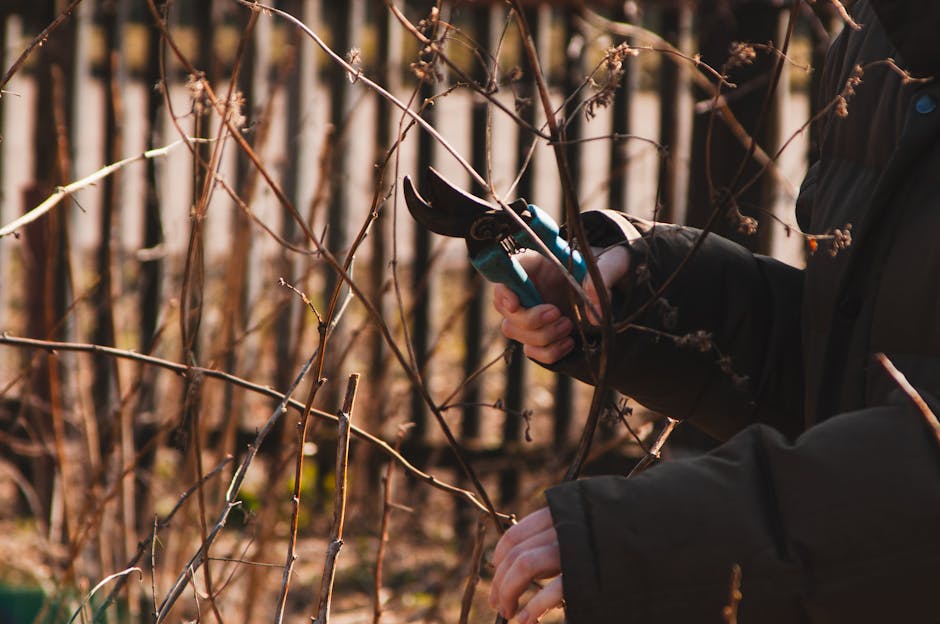
Millbank Tower garden care by local gardeners
Millbank Tower garden care by local gardeners is about keeping high-profile outdoor spaces in central London tidy, resilient, and pleasant to use without turning maintenance into a hassle. Around a building like Millbank Tower, garden areas often need more than the odd cut-back and sweep. They need regular attention, sensible timing, a good eye for detail, and people who understand the pace of city planting, shade, wind, foot traffic, and access constraints.
If you are responsible for an entrance planter, a shared courtyard, terrace greenery, or a managed outdoor area close to the tower, you probably already know the reality: things can look fine one week and unruly the next. One windy spell, a bit of rain, a few missed visits, and suddenly the whole space feels tired. This guide explains how local gardeners approach the job, what they actually do, what to watch for, and how to make the results last.
For a broader view of the services that usually sit around this kind of work, it may help to look at the services overview and the core garden maintenance options. Those pages sit nicely alongside the practical advice below.
Why Millbank Tower garden care by local gardeners Matters
Location changes everything. A garden in a quiet suburban street does not face the same conditions as a managed outdoor space in Millbank. You are dealing with more reflected heat from stone and glass, stronger gusts between buildings, occasional shade where you would not expect it, and the practical pressure of keeping everything neat for residents, guests, tenants, or visitors.
That is why local gardeners matter. They are more likely to notice the small, site-specific issues that outsiders miss. For example, a planter may dry out quickly on one side because of wind exposure, while another corner stays damp after rain. A lawn edge may suffer because people naturally cut across it. A hedge may look healthy from the front but be thin at the back due to shade. These are not dramatic problems, but they add up. And in central London, small problems become visible very fast.
Millbank Tower garden care is also about presentation. A crisp hedge line, healthy foliage, and clear paths quietly tell people that the space is managed well. It sounds simple, but it changes how the whole place feels. Tired planting can make a building seem neglected, even if everything else is immaculate. Fresh, balanced greenery does the opposite. It lifts the space. Simple as that.
There is also a practical safety angle. Overgrown shrubs can narrow walkways, dead branches can create risk, and fallen leaves can make surfaces slippery. If maintenance is missed for too long, the job becomes bigger and more disruptive. A steady care plan is easier on everyone than a frantic rescue mission in November when the leaves are already piling up and the light is fading by 4pm.
How Millbank Tower garden care by local gardeners Works
In practice, good garden care starts with an assessment. Local gardeners will usually look at the layout, planting type, access, current condition, and how the space is being used. That first look matters because outdoor areas in and around Millbank Tower can vary a lot. A paved entrance feature needs different care from a soft planting bed. A rooftop or elevated terrace needs different handling again. You cannot treat them all as the same thing, or you will end up overworking some areas and under-serving others.
Once the site is understood, the work often becomes a repeatable cycle. That may include mowing, edging, pruning, weeding, deadheading, seasonal feeding, leaf clearance, plant replacement, hedge trimming, and general tidying. On some visits, the main job is purely visual: straightening lines, clearing debris, and making the place feel calm again. On others, it is more horticultural: improving soil condition, reducing plant stress, or reshaping growth so it does not become a problem later.
If larger changes are needed, the gardener may recommend a more considered approach through landscape gardening or even broader landscaping. That can be useful when the outdoor space has become awkward to maintain, or when the planting design no longer suits how the area is used. To be fair, sometimes a garden is not "bad" at all. It is just badly matched to the site.
For heavier jobs, like taking back overgrowth or clearing a neglected patch, local teams may combine routine care with garden clearance. And if the space includes trees that need attention, safer specialist work may be needed through tree lopping and removal. That is especially important where branches are close to windows, access routes, or shared surfaces.
In many cases, the most effective approach is not a one-off tidy-up. It is a maintenance rhythm. Weekly, fortnightly, or monthly visits are chosen based on growth rate, use, and budget. The point is to stop the space slipping rather than waiting for a visible problem. A bit boring? Maybe. But very effective.
Key Benefits and Practical Advantages
There are obvious benefits, and there are quieter ones. The obvious benefit is that the garden looks better. Cleaner edges, fewer weeds, healthier plants, better sightlines. That part is easy to see.
The quieter benefits are often the ones people value most over time:
- Less reactive work: regular care reduces the need for disruptive recovery jobs.
- Better plant health: consistent pruning, watering checks, and soil care help planting cope with city conditions.
- Improved safety: tidy paths, controlled growth, and reduced debris lower everyday risks.
- Stronger first impressions: a well-kept entrance or terrace reflects positively on the whole property.
- More predictable budgeting: planned maintenance is usually easier to manage than emergency callouts.
- Less stress for managers: there is comfort in knowing someone is keeping an eye on the site.
There is also a usability benefit. A garden space that is cared for properly tends to be used more. People sit outside longer. Residents notice the planting. Visitors don't step around mess or avoid the area entirely. Sounds minor, but it changes behaviour. A usable garden is not just decorative; it earns its place.
For many properties, sustainability matters too. Responsible local gardeners are usually careful about waste handling and can align work with recycling and sustainability practices where suitable. That does not mean every clippings bag is a grand environmental statement. It means the work is done thoughtfully, with less waste and better material handling where possible.
| Approach | Best for | Strengths | Trade-offs |
|---|---|---|---|
| One-off tidy-up | Overgrown or neglected areas | Fast visible improvement | Problems may return quickly without follow-up |
| Routine maintenance | Managed gardens and planted areas | Stable appearance, lower long-term effort | Requires planning and regular visits |
| Full redesign | Poorly performing or awkward spaces | Can improve usability and reduce future maintenance | Higher upfront cost and longer project time |
Who This Is For and When It Makes Sense
This kind of service is usually a fit for property managers, landlords, building teams, business owners, and residents who want the space to stay consistently presentable without spending every spare minute on it. It is also useful for blocks, offices, hospitality settings, and mixed-use buildings where the outdoor area is part of the overall experience.
It makes especially good sense if any of these sound familiar:
- The garden looks tidy after a visit, then slips back within weeks.
- Weeds, moss, or leaf fall are becoming a constant nuisance.
- Plants are struggling because the current care routine is too random.
- Access is awkward, so you need gardeners who can work cleanly and efficiently.
- There is pressure to keep entrances, terraces, or shared spaces looking polished.
- You need someone who can handle both routine tasks and occasional heavier work.
It is also worth considering if you have just taken on a property and inherited a "patchy" maintenance history. That is very common. The good news is that most garden spaces can be improved without a dramatic rebuild. Often the first job is simply understanding what is there, what is surviving, and what should be removed or reset.
For some sites, getting the basics right is enough. For others, the garden needs a more ambitious intervention, and that is where planning the right mix of maintenance and design comes in.
Step-by-Step Guidance
If you are wondering how local gardeners usually approach Millbank Tower garden care, the process is more methodical than glamorous. There is a reason for that. Good maintenance is about consistency, not drama.
- Assess the site carefully. Look at access, plant condition, drainage, shade, foot traffic, and visible problem areas. The first impression is useful, but the details tell the real story.
- Separate urgent tasks from routine ones. A broken branch, a blocked path, or a dangerously overgrown hedge should be dealt with before nicer-looking cosmetic work.
- Define the maintenance scope. Decide whether the space needs mowing, trimming, edging, pruning, weeding, replanting, or a combination of tasks.
- Agree the visit frequency. Some gardens need weekly care in peak season, while others only need monthly attention. Growth rate and visibility matter here.
- Carry out the work in a logical order. Clear debris first, then cut and shape, then finish with edging, sweeping, and any fine detail work. It keeps the site cleaner and saves time.
- Check what has changed. After each visit, review what is thriving, what is stressed, and what needs to be adjusted next time.
- Keep a simple record. Even a short maintenance log helps with continuity, especially if several people manage the site across a year.
A small real-world example: a terrace that looked "fine" in spring may become messy by late summer because one planter is exposed to sun and wind while another sits in partial shade. A good gardener does not just cut everything back on the same schedule. They adjust. That is the difference between routine labour and proper care.
If you want to understand the wider service structure behind this kind of work, the garden maintenance page is a sensible companion. For sites with more continuous growth issues, lawn mowing and hedge trimming can form part of the same maintenance plan.
Expert Tips for Better Results
Here is the part people often skip, and then wonder why the garden never quite settles. The little decisions matter.
- Match the care schedule to the season. Spring and early summer usually demand more frequent attention than winter. Growth does not behave politely, unfortunately.
- Do not overcut. Short-term neatness can damage long-term plant health, especially with shrubs and hedging.
- Watch irrigation needs closely. Pots, raised beds, and exposed planters dry out faster than people expect in London's built-up areas.
- Keep edges sharp. Crisp borders and tidy paths make even simple planting look more intentional.
- Prioritise structure first. When a space feels chaotic, fix the biggest lines before worrying about tiny cosmetic details.
- Plan for access. A good gardener thinks about how waste will leave the site and where tools can be stored or carried safely.
- Ask for honest feedback. If a plant is failing in its location, replacing it can be smarter than trying to nurse it forever.
One practical tip that saves trouble later: keep a small note of what was planted where. It sounds dull, but when a bed needs refreshing six months down the line, that record stops a lot of guesswork. We have all seen gardens where everyone meant to remember, and nobody did. Easy mistake.
If the space includes decking or timber features around the planting, it is useful to coordinate care with decking services so the surrounding hardscape and softscape stay in step. A garden can look oddly unfinished when the plants are lovely but the timber around them is weathered and gritty.
Common Mistakes to Avoid
Most garden problems in managed spaces come from a few repeated habits. None of them are dramatic on their own. Together, they create that slow drift into "why does this place look tired?"
- Leaving maintenance too long: once growth gets away, the work becomes heavier and more expensive.
- Cutting everything at once: aggressive pruning can damage plants and make beds look bare.
- Ignoring seasonal change: a plan that works in May will not suit October in the same way.
- Forgetting access and logistics: if the work is awkward to carry out, delays and mess usually follow.
- Using a one-size-fits-all approach: a shaded planter, a sunny border, and a lawn strip do not need identical care.
- Skipping follow-up: a good first visit does not matter much if no one checks the results or adjusts the next round.
Another common mistake is assuming that a tidy surface means healthy planting. It does not. A garden can look neat for a week while quietly declining underneath. Yellowing leaves, compacted soil, root stress, and poor drainage often hide behind a clean appearance. The remedy is careful observation, not just more cutting.
And, yes, there is such a thing as over-tidying. Some natural variation is healthy. A garden should look maintained, not airbrushed. Humans still need somewhere to stand and breathe, after all.
Tools, Resources and Recommendations
Good local gardeners bring more than enthusiasm. They bring the right tools for the site and know how to use them without tearing up the work they are trying to improve.
| Tool or resource | Why it matters | Typical use |
|---|---|---|
| Hand pruners and loppers | Clean, precise cutting | Shrubs, dead growth, small branches |
| Strimmer or mower | Keeps grassy areas even | Lawn edges, awkward corners, regular mowing |
| Leaf tools and blowers | Helps manage seasonal debris | Autumn clear-downs and path cleaning |
| Waste bags and transport plan | Prevents clutter and site mess | Removing clippings, prunings, and clearance waste |
| Site notes or maintenance log | Improves consistency | Tracking issues, repeat tasks, and seasonal changes |
For bigger clean-ups, a planned garden clearance can reset the space before routine care begins. That can be especially useful after a long gap in maintenance or after a tenant move, refurbishment, or seasonal build-up of waste.
It is also sensible to choose providers who can speak plainly about pricing and scope. The pricing and quotes page is the right place to review how estimates are usually handled. Clarity up front saves awkward conversations later. Always.
Law, Compliance, Standards and Best Practice
Garden care at a building like Millbank Tower is not just about appearance. There are practical responsibilities around safety, waste handling, and working conditions. Exact obligations can vary depending on the site, access arrangements, and who is responsible for the property, so it is wise to approach compliance carefully rather than casually.
In the UK, best practice usually includes clear method planning, sensible manual handling, safe tool use, and proper awareness of access risks. If work involves height, sharp tools, nearby pedestrians, or tree operations, the standards expected rise quickly. That is why professional teams should have appropriate processes in place and be prepared to explain them in plain language.
Where health and safety matters are involved, it is reasonable to ask how a team works, what risk controls they use, and how they manage site access. A trustworthy provider should not sound defensive about that. They should sound organised. You can also look at their published health and safety policy and insurance and safety information to understand how seriously they take the basics.
Waste disposal and green material handling matter too. Cuttings, soil, branches, and general garden waste should be removed and processed responsibly. That is where a practical approach to recycling and sustainability can support better site management. It is not about sounding grand. It is about doing the ordinary things properly.
If the site is managed by several parties, a written service scope is helpful. It does not need to be dramatic legal prose. It just needs to make clear who does what, when, and how any issues are reported. That avoids the classic "I thought someone else was looking after that" moment. Not glamorous, but very real.
Options, Methods, or Comparison Table
Different sites need different levels of support. Here is a simple comparison that may help you decide what kind of care makes sense.
| Method | What it includes | Best for | When to choose it |
|---|---|---|---|
| Routine garden care | Regular visits for trimming, weeding, mowing, tidying | Managed spaces that need consistency | When you want the garden to stay presentable with minimal drift |
| Targeted intervention | Specific tasks like hedge reduction, clearance, or plant replacement | Spaces with a few clear issues | When the garden is mostly fine but needs fixing in key places |
| Full redesign and maintenance reset | Planning, replanting, reshaping, and long-term upkeep | Problematic or outdated outdoor areas | When upkeep is becoming too costly or awkward as currently configured |
There is no single "best" option for every Millbank site. A neat courtyard with a few planters may only need steady care. A larger, mixed-use outdoor area might benefit from a more strategic reset. The right answer is usually the one that reduces future friction, not just the one that looks cheapest on day one.
Case Study or Real-World Example
Picture a central London terrace garden that has been looked after inconsistently for a year. Spring planting is still there, but the edges are soft, a hedge is leaning outward, and the lawn strip is patchy where foot traffic cuts across it. Nothing is disastrous. It just feels a bit tired.
A local gardener would usually start with a tidy, then separate the tasks: remove debris, sharpen edges, trim the hedge back into shape, inspect the lawn for worn patches, and review which plants are actually thriving in that spot. A couple of weak plants might be replaced with more suitable varieties rather than repeatedly rescued. If there is a tree canopy affecting light levels, that may be part of the problem too.
After the first visit, the space often looks dramatically better, but the real win is what happens next. A sensible follow-up schedule keeps the area from sliding back. That means smaller visits, less disruption, and fewer emergency calls. The change is not flashy. It is steadier than that. And steadier is usually better.
In a setting like Millbank, that kind of result matters because people notice every detail. A single untidy corner can pull the eye. A well-kept border, by contrast, helps the whole place feel considered. It is a bit like a well-ironed shirt, really. Nobody praises it loudly, but everyone notices when it is missing.
Practical Checklist
Use this checklist before booking or scheduling your next garden care visit.
- Confirm the exact areas that need attention: beds, planters, lawns, hedges, trees, paths, or terraces.
- Decide whether the job is routine maintenance, a one-off tidy, or a larger clearance.
- Note any access restrictions, delivery points, storage limits, or time windows.
- List recurring problems such as weeds, shade, drainage, leaf fall, or worn turf.
- Check whether the work needs to coordinate with decking, landscaping, or tree care.
- Ask how waste will be removed and handled after the visit.
- Review the provider's safety, insurance, and service information.
- Agree how often the site should be revisited during the growing season.
- Keep a simple note of what was done so future visits stay consistent.
- Build in time for review, because gardens do change after each season. They always do.
Conclusion
Millbank Tower garden care by local gardeners is really about keeping a demanding urban space feeling calm, usable, and well looked after. The best results come from consistency, site awareness, and the kind of practical judgement that only develops through regular hands-on work. Not every problem needs a redesign. Sometimes what a garden needs most is steady, thoughtful care and a gardener who notices the small things before they become awkward ones.
Whether your priority is presentation, safety, plant health, or long-term manageability, a local team can make a real difference by tailoring the work to the site instead of forcing the site into a generic routine. That is especially true in central London, where weather, access, and visibility all add their own little complications. Truth be told, that is half the job.
If you are planning a refresh, a tidy-up, or a proper maintenance schedule, start with clear priorities and a realistic visit plan. The right approach is usually simpler than people expect, just more disciplined. And that discipline pays off quietly, week after week.
Get a free quote today and see how much you can save.
Frequently Asked Questions
What does Millbank Tower garden care by local gardeners usually include?
It usually includes routine maintenance tasks such as pruning, trimming, weeding, leaf clearance, mowing where relevant, edging, plant care, and general tidying. Some sites also need clearance or planting adjustments.
How often should garden care be carried out in a central London setting?
That depends on the space, the season, and how visible the garden is. Many managed spaces benefit from weekly or fortnightly visits in peak growing months, then less frequent attention in slower periods.
Is local garden care better than using a general handyman?
Usually, yes, if the space needs plant knowledge and ongoing maintenance. Local gardeners are more likely to understand pruning timing, plant health, and how to keep the space balanced rather than just neat.
What if the garden has become overgrown?
Then a one-off tidy or fuller garden clearance may be needed before routine maintenance can begin. Once the space is back under control, regular visits help prevent the same problem from returning.
Can local gardeners help with hedges and trees as well?
Yes, if those tasks are within the agreed scope. Hedges often need dedicated trimming, while trees may require specialist attention such as tree lopping and removal where appropriate and safe.
How do I know whether I need maintenance or landscaping?
If the garden is broadly fine but just needs ongoing care, maintenance is usually enough. If the layout is awkward, the planting is failing, or the space is hard to manage, landscaping or landscape gardening may be the better route.
What are the main risks of leaving garden care too long?
Common risks include overgrowth, blocked access, damaged planting, slippery paths from leaves or moss, and a general decline in appearance. The longer problems are left, the more expensive and disruptive they can become.
Do I need to prepare the site before the gardeners arrive?
Usually only in simple ways: make access clear, share any safety notes, point out problem areas, and ensure the team can reach the work zones. A good brief saves time and avoids confusion.
How can I keep costs under control?
Be clear about scope, agree on a realistic maintenance frequency, and deal with small issues early. That tends to be cheaper than waiting until the site needs heavy recovery work.
What should I ask before hiring someone for this kind of work?
Ask about experience with similar sites, how they handle safety and insurance, how waste is removed, what the schedule looks like, and whether they offer clear pricing and quotes. Straight answers are a good sign.
Are sustainability practices important in garden care?
They can be, especially when waste handling, material reuse, and responsible disposal are part of the service. It is sensible to ask how clippings, branches, and other green waste are managed.
Can garden care be combined with other property services?
Yes. In many cases, garden maintenance works best alongside decking, landscaping, or clearance work. For a joined-up approach, it helps to review the wider services overview and choose the right mix for the site.
What is the biggest mistake people make with managed gardens?
Leaving maintenance too long. It sounds obvious, but it is the most common reason tidy spaces drift into expensive ones. Regular care keeps the work smaller and the results much better.
Where can I learn more about the service details?
You can review the provider's main service pages, including garden maintenance, pricing and quotes, and the about us page for background on the team and how they work.