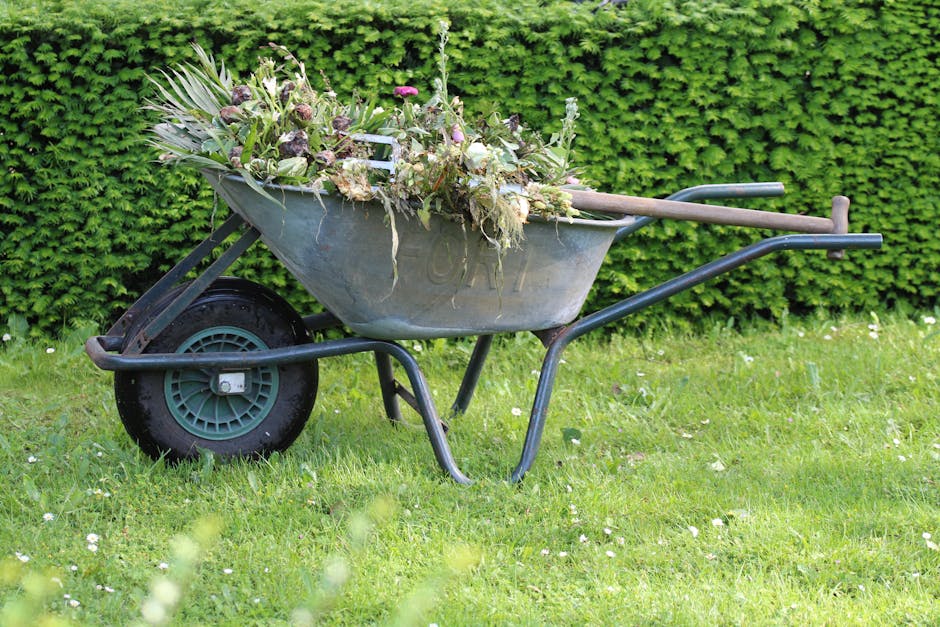
Common garden clearance problems Millbank gardeners see
If you have ever looked at an overgrown garden and thought, "Where do you even start?" you are not alone. Common garden clearance problems Millbank gardeners see tend to be less about the actual tidying and more about the awkward mix of access, waste, hidden hazards, and timing that turns a simple job into a proper slog. In Millbank, where gardens can be compact, shared, overlooked, or squeezed behind period homes and modern developments, clearance work often needs a bit more care than people expect.
This guide breaks down the most common issues gardeners run into, why they matter, how clearance usually works, and what to do if you want a cleaner, safer, more usable space without making the usual mistakes. It is practical, local, and written for real-life gardens, not showroom perfection.
Table of Contents
- Why Common garden clearance problems Millbank gardeners see Matters
- How Common garden clearance problems Millbank gardeners see Works
- Key Benefits and Practical Advantages
- Who This Is For and When It Makes Sense
- Step-by-Step Guidance
- Expert Tips for Better Results
- Common Mistakes to Avoid
- Tools, Resources and Recommendations
- Law, Compliance, Standards, or Best Practice
- Options, Methods, or Comparison Table
- Case Study or Real-World Example
- Practical Checklist
- Conclusion
- Frequently Asked Questions
Why Common garden clearance problems Millbank gardeners see Matters
Garden clearance is often treated like a quick tidy-up. In reality, it can shape the whole future of the space. If the clearance is rushed, you may be left with regrowth, damaged surfaces, missed waste, blocked drainage, or hidden problems that make the garden harder to maintain later on. That is why understanding the common issues matters before a single branch gets lifted.
Millbank adds its own quirks. There are gardens with limited side access, shared entrances, basement steps, narrow paths, and awkward delivery or loading points. Some properties back onto communal areas, and some outdoor spaces are so compact that one large green bin fills faster than expected. Let's face it, a neat-looking garden can still hide a lot of trouble under the surface.
For homeowners, landlords, managing agents, and anyone preparing a property for sale or letting, the stakes are practical. A clear garden helps with presentation, but it also reduces trip hazards, discourages pests, and makes it easier to carry out follow-up work such as garden maintenance, lawn mowing, hedge trimming, or even larger changes through landscaping.
Expert summary: the biggest garden clearance problems are usually not "too much waste" alone. They are access, hidden risk, and disposal planning. Get those three right, and the job becomes much easier.
How Common garden clearance problems Millbank gardeners see Works
In simple terms, garden clearance means removing unwanted plant growth, accumulated debris, and any bulky organic waste so the space can be used properly again. But in practice, the process usually happens in stages. First comes an assessment of what is actually in the garden. Then the team decides what can be cut back, removed, chipped, bagged, or stacked for recycling. After that, the physical clearance begins, followed by loading, sweeping, and a final check for hazards.
The usual problem in Millbank is that people underestimate the hidden stuff. A patch of brambles may hide broken edging. A pile of leaves can mask damp timber. A tree stump may sit awkwardly near paving. Overgrown areas often contain tangled growth that slows the work down because you cannot simply grab and clear. You have to untangle, cut, sort, and move carefully.
Garden clearance also overlaps with other services. A thick hedge might need cutting before the garden can be cleared properly. A tree may need attention from tree lopping and removal. A tired timber feature or slippery platform may point towards decking services. Sometimes the real job is not just removal. It is preparation for something better.
And there is timing. In wet weather, soggy waste is heavier and messier. In dry weather, dust and seed scatter become more noticeable. Early morning clearances can be quieter for neighbours, which matters in dense residential streets. Small detail, but it helps.
Key Benefits and Practical Advantages
When clearance is handled properly, the benefits are broader than a tidy-looking space. A cleared garden feels lighter and safer. You notice the structure again. You can see the boundaries, the planting areas, the paving, and the usable paths. That alone makes a huge difference.
- Better access: clear paths, easier movement, and safer entry for future work.
- Less hidden damage: issues like rot, pests, broken slabs, and unstable edging are easier to spot.
- Improved appearance: a garden looks cared for rather than neglected.
- More usable space: even a small Millbank garden can feel surprisingly bigger after clearance.
- Easier maintenance: regular care becomes simpler when you are not battling layers of old growth.
- Better planning: if you are considering replanting or redesigning, you can make decisions with a clean slate.
There is also a quiet mental benefit. People often underestimate how much an overgrown outdoor space weighs on them. Once it is cleared, even partially, the whole property can feel calmer. Less clutter. Less visual noise. More breathing room. That is not fluffy stuff, it is just true.
If you are thinking beyond one-off clearance, it is worth looking at the broader picture through services overview and planning how clearance fits with ongoing upkeep, rather than treating it like a one-time rescue mission every few years.
Who This Is For and When It Makes Sense
Garden clearance is not only for "wild" gardens. Plenty of neat-looking outdoor spaces in Millbank still need clearance because of seasonal build-up, storm debris, or years of gradual neglect. The right time to act depends on what is happening in the garden, not just how it looks from the kitchen window.
This is especially relevant if you are:
- moving into a property with an unknown garden condition
- preparing a rental for new tenants
- selling a home and want the outside to present well
- recovering a garden after a long absence or busy period
- dealing with storm damage, fallen branches, or leaf build-up
- trying to reclaim paths, borders, and seating areas
- planning a redesign or new planting scheme
It also makes sense if the garden has started to become awkward rather than simply messy. For example, if you cannot open a gate fully because of growth, or if you are avoiding a corner because you know there is "something weird" in it, that is usually a sign the clearance problem has moved beyond basic tidying.
Truth be told, some people delay because they feel a bit embarrassed about the state of the garden. That is more common than you think. A good clearance team will have seen far worse on a rainy Tuesday.
Step-by-Step Guidance
If you want to approach clearance sensibly, the best results come from a clear sequence. Rushing straight to cutting without checking what is there can create extra work or risk. Here is a practical order that works well in most Millbank gardens.
- Walk the garden first. Check access points, surface conditions, fragile areas, drains, and anything that looks unstable.
- Identify the main problem zones. Is it brambles, fallen branches, leaf mulch, overgrown shrubs, broken pots, or all of the above?
- Separate green waste from non-green waste. This saves time later and helps with recycling.
- Cut back larger growth. Start with the biggest obstacles so the rest of the job becomes visible.
- Remove debris in layers. Do not yank everything at once. Hidden items often appear halfway through.
- Check for hazards. Look for nails, glass, loose paving, insect nests, and slippery patches.
- Bag, load, or stack waste efficiently. Keeping the area tidy as you go makes a big difference.
- Finish with a sweep and final review. This is the part that makes a clearance feel complete rather than half-finished.
If the garden is heavily overgrown, a phased approach is usually safer and less frustrating. Cut, clear, inspect, then continue. No drama, no heroic shortcuts. Garden work rewards patience more often than brute force.
Expert Tips for Better Results
There are a few things experienced gardeners tend to do almost without thinking, and they save time later.
- Start at the edges. Boundaries, corners, and fence lines often hide the worst of the mess.
- Work from top to bottom. Remove overhead growth before tackling ground-level clutter.
- Protect existing features. Paving, railings, sheds, and beds can be damaged by fast, heavy clearing.
- Expect hidden waste. In older gardens especially, there may be buried rubble, old compost bags, or forgotten plant supports.
- Use the right cutting order. Thick woody stems often need to come out before finer growth can be reached safely.
- Plan disposal before you begin. A tidy pile still takes space. More than people expect, actually.
One practical tip that saves headaches: leave a small "review pile" of anything you are unsure about until the very end. That could be a plant you might want to keep, a feature you want to assess, or waste that needs sorting. It is a tiny thing, but it prevents accidental damage. And yes, it is much better than pulling out something valuable by mistake and then having that awkward pause.
If sustainability matters to you, look at how the waste will be handled. A provider with a clear approach to recycling and sustainability can help reduce what goes to landfill and keep the job more responsible overall.
Common Mistakes to Avoid
Most clearance problems get worse because of a handful of avoidable mistakes. The tricky part is that these errors usually feel harmless at first.
- Clearing without checking access. If waste cannot be moved out efficiently, the job slows down quickly.
- Cutting everything at once. You may remove screening, shelter, or something you intended to keep.
- Ignoring root systems. Some growth will return fast if roots, suckers, or basal shoots are left behind.
- Overfilling bags or containers. Heavy loads can be unsafe and awkward to move.
- Not checking for nesting or wildlife activity. Be cautious around dense growth and leave anything uncertain for proper assessment.
- Forgetting surface protection. Sharp tools and heavy waste can mark paths and decking.
- Assuming disposal is simple. Waste removal can take more planning than the cutting itself.
There is also a planning mistake that comes up a lot: people clear the space but do not think about what happens next. A garden that is emptied but left bare and neglected can become overgrown again surprisingly fast. A little follow-up maintenance can stop that spiral before it starts.
Tools, Resources and Recommendations
You do not need a garage full of specialist kit for every garden clearance, but using the right tools makes the job cleaner and safer. For smaller jobs, hand tools are often enough. For larger or tangled spaces, more robust equipment may be needed.
| Method or Tool | Best For | What to Watch Out For |
|---|---|---|
| Hand shears and secateurs | Light pruning, tidy cutbacks, fine control | Slow on thick, woody growth |
| Loppers or pruning saws | Branches, shrubs, tougher stems | Needs care around tight spaces |
| Rakes and garden forks | Leaves, loose debris, surface clearing | Can miss compacted waste or hidden rubbish |
| Heavy-duty bags or tubs | Sorting and moving waste | Can become too heavy if overloaded |
| Wheelbarrow or garden trolley | Moving bulk waste through access routes | May be awkward on narrow steps or steep paths |
| Protective gloves and eye protection | General clearance safety | Still need good technique; PPE is not magic |
In a commercial setting, or where access is awkward, it is usually sensible to speak to a professional team that can assess the layout before work starts. That is especially helpful if the garden is being cleared alongside other work such as garden clearance and ongoing garden maintenance.
For service expectations, payment clarity, and what is included, it also helps to review pricing and quotes and the business basics on about us. Those pages can give you a better sense of how a company works before you commit.
Law, Compliance, Standards, or Best Practice
Garden clearance is mostly practical work, but there are still important standards and responsibilities to keep in mind. In the UK, waste should be handled responsibly, and garden waste often needs to be separated from general rubbish where possible. If there are materials other than green waste, such as broken fixtures or old timber, they may need different handling. You do not want a mixed pile becoming an avoidable problem.
Safety matters too. Good practice includes risk awareness around sharp tools, unstable surfaces, hidden debris, and overhead branches. If a task involves height, heavy lifting, or tree work beyond simple cutting back, it is sensible to consider professional help rather than taking chances. That is where services such as tree lopping and removal become relevant.
Responsible contractors should also have clear processes around safety and insurance. If you are hiring someone, it is entirely reasonable to ask how they manage risk, what happens if access is tight, and how they approach property protection. A straightforward company will not mind those questions. In fact, they should welcome them. You can also review their public approach to health and safety policy and insurance and safety before booking.
For complaint handling, privacy, and other customer information matters, reliable businesses usually make those policies visible too. It is a small trust signal, but a meaningful one.
Options, Methods, or Comparison Table
Different garden clearance situations call for different approaches. The right choice depends on the size of the garden, how overgrown it is, and whether you are trying to preserve plants or simply reset the space.
| Approach | Best Use | Pros | Cons |
|---|---|---|---|
| DIY light clearance | Small tidy-ups, leaves, minor cutbacks | Low cost, flexible timing | Time-consuming, easy to miss hidden issues |
| DIY heavy clearance | Rarely ideal except for very confident gardeners | Can work for simple spaces | Risky, tiring, disposal can become difficult fast |
| Professional clearance only | Overgrown, cluttered, awkward-access gardens | Efficient, safer, usually more thorough | Higher upfront cost than doing it yourself |
| Clearance plus maintenance plan | Gardens that keep slipping back into neglect | More sustainable long term, easier to manage | Requires ongoing commitment |
For many Millbank properties, the best option is not an all-or-nothing decision. A lot of gardens benefit from an initial clearance followed by routine work such as hedge cutting, mowing, and seasonal tidying. That is the point where the garden starts staying neat, rather than just getting rescued.
Case Study or Real-World Example
A typical Millbank scenario goes like this: a rear garden has been left alone for one season too many. From the house, it looks like "just a bit overgrown." But once work begins, there are brambles across the fence line, thick leaf build-up under shrubs, broken pots near the path, and a few damp patches where old debris has trapped moisture.
The first stage is usually a careful cutback around the perimeter so access opens up. Then the waste is removed in sections, not all at once. Once the main growth is down, hidden issues become visible: a loose edging stone, a blocked drain cover, and a patch of dead grass that needs attention. The garden is not just cleaner at that point; it is safer and much easier to maintain.
What tends to surprise people is how much bigger the space looks after the clearance. Even a modest courtyard can suddenly feel useable again. One client might want simple order. Another may want to replant later. Either way, the job is not really about making the garden "perfect." It is about getting control back.
That is often where related work comes in. A fresh start might lead into lawn mowing, reshaping borders through landscape gardening, or keeping standards up with periodic visits from the maintenance team. One step leads to the next. Quite naturally, really.
Practical Checklist
Use this checklist before and during a garden clearance job. It keeps things sensible when the work gets messy.
- Inspect access routes and identify any tight spots
- Check for trip hazards, broken paving, or uneven ground
- Decide what should be kept, cut back, or removed entirely
- Separate green waste from other unwanted materials
- Start with boundary growth and larger obstructions
- Use the right tools for thick or tangled growth
- Wear protective gloves and eye protection where needed
- Keep waste piles manageable rather than overloading containers
- Watch for hidden debris under leaves or brambles
- Finish with a sweep, final review, and disposal plan
- Consider follow-up maintenance so the garden stays under control
If you want a calmer experience, plan the work before you start. A ten-minute walk-through can save an hour of faffing later. Sometimes more. Gardens have a funny way of hiding the hardest part until you are already halfway in.
Conclusion
The most common garden clearance problems Millbank gardeners see are not mysterious, but they do catch people out: difficult access, hidden hazards, tangled growth, disposal headaches, and the tendency to underestimate how much work is really involved. Once you understand those challenges, the whole job becomes more manageable and far less stressful.
Whether your garden needs a light reset or a full clear-out, the smart approach is the same: assess first, clear in stages, protect the surfaces, and think about what comes after. A good clearance does more than make a space tidy. It gives you room to breathe, plan, and actually enjoy the garden again.
If you are ready to move from overwhelmed to organised, start with a clear plan and ask for help where needed. That small decision can save a lot of time, a few scraped knuckles, and quite possibly your Saturday.
Get a free quote today and see how much you can save.
Frequently Asked Questions
What are the most common garden clearance problems in Millbank?
The most common issues are limited access, overgrown shrubs or brambles, hidden waste, awkward loading points, and debris that has built up around paths, fences, or borders. In compact urban gardens, these problems can multiply fast.
Why do garden clearance jobs take longer than people expect?
Because the visible mess is rarely the whole story. Once work starts, hidden roots, damp waste, broken items, and unsafe patches often appear. Clearing carefully also takes time if you want to avoid damaging plants or surfaces.
Can I do a garden clearance myself?
Yes, if the job is small, straightforward, and safe. Light leaf removal, simple pruning, and basic tidying are often manageable. For heavy overgrowth, tight access, or anything involving branches, rough ground, or bulky waste, professional help is usually the better choice.
What should I remove first in an overgrown garden?
Start with the biggest access blockers and boundary growth. Once you can move around safely, tackle the main piles of waste and then work inward. That order usually makes the job easier and safer.
How do I know if garden waste needs special handling?
If the pile contains more than just green material, such as timber, broken fixtures, glass, or mixed rubbish, it may need sorting before disposal. Mixed waste should never be treated casually, because it can complicate removal and recycling.
Is garden clearance the same as garden maintenance?
No. Clearance is usually a reset job that removes unwanted growth and debris. Maintenance is the ongoing work that keeps the garden tidy afterwards. The two work very well together, though.
Do I need tree work before a garden clearance?
Sometimes, yes. If large branches, dead limbs, or a crowded tree canopy are blocking access or dropping debris, tree work may need to happen first. In those cases, tree lopping and removal may be part of the solution.
How can I keep a cleared garden from getting overgrown again?
The best approach is a simple routine: mow regularly, trim hedges before they get away from you, keep borders edged, and book maintenance before the space slips back into chaos. Small and steady beats big and stressful every time.
What should I ask a garden clearance company before booking?
Ask what the service includes, how waste is handled, how they deal with access issues, and whether they have clear safety and insurance processes. It is also sensible to review their terms and conditions if you want to understand the service properly.
How much does garden clearance cost in Millbank?
Costs vary with the size of the garden, how overgrown it is, how much waste needs removing, and how easy the property is to access. A proper quote is usually the most reliable way to understand the likely cost, which is why pricing and quotes can be helpful.
What if I am not sure whether I need clearance or landscaping?
If the garden is messy, unsafe, or hard to use, clearance is usually the first step. If you already know you want a redesign, new features, or a better layout, then landscaping may be the next stage after the clear-up.
How do I choose a trustworthy garden company?
Look for clear service information, visible policies, and sensible explanations rather than vague promises. Pages like about us, health and safety policy, and recycling and sustainability can help you judge whether the company seems organised and straightforward.
What is the best time of year for garden clearance?
It depends on the condition of the garden. After storms, before spring growth, or after a long period of neglect are all common times. The main thing is not to leave a worsening problem until it becomes a bigger, harder one. That old trick never really works, does it?